
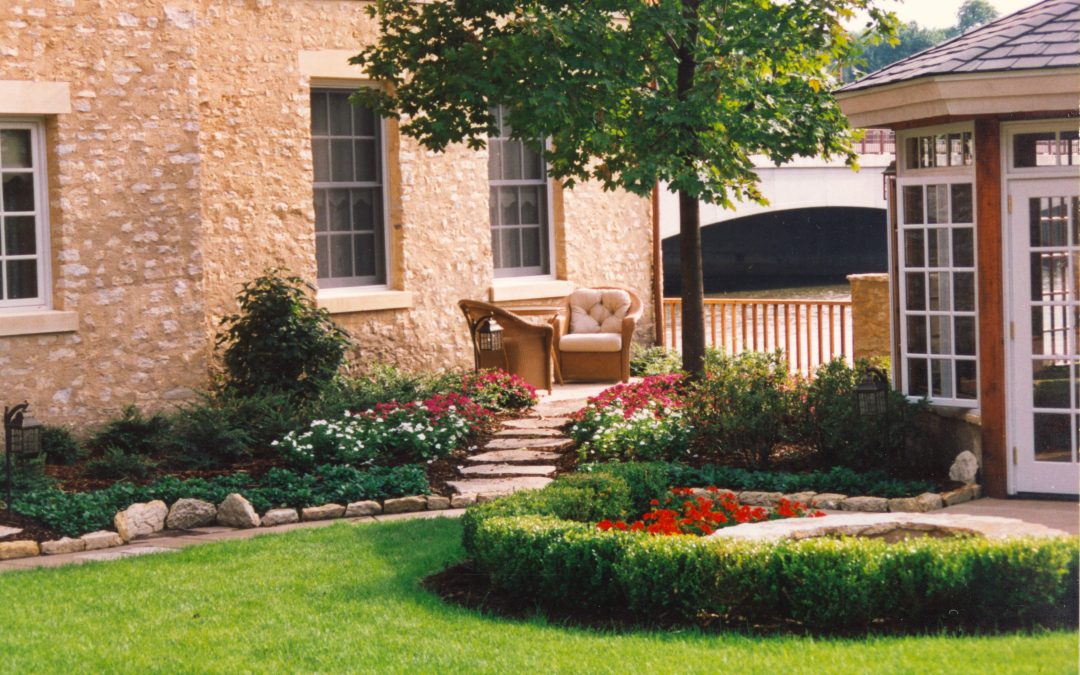
Weather patterns can change quickly, and landscapes often experience the effects long before they become visible. Seasonal storms, extreme temperatures, and heavy rainfall can damage lawns, trees, soil, and outdoor structures. Preparing outdoor spaces in advance helps property owners reduce long term damage and maintain healthy landscapes.
Understanding how to protect landscapes from weather is an important part of property maintenance. Proactive preparation allows homeowners and property managers to safeguard lawns, plants, irrigation systems, and hardscape features before extreme conditions arrive.
This guide explains how weather affects landscapes, what preparation steps can help reduce damage, and how consistent maintenance contributes to long term landscape resilience. Many property owners rely on professional guidance from Wobrock’s Design & Landscape to ensure their outdoor spaces remain protected throughout seasonal transitions.
Why Weather Preparation Is Essential for Landscapes
Weather events such as heavy winds, frost, intense heat, or storms can cause immediate or gradual damage to outdoor environments. Preparing landscapes early helps reduce risks and supports plant health.
Proper preparation ensures that soil structure, plant roots, and irrigation systems remain stable despite environmental changes.
Understanding Weather Related Landscape Risks
Landscapes experience several forms of stress during extreme conditions. Temperature changes, heavy rainfall, and seasonal storms can weaken plants and damage lawns.
Some common weather related landscape risks include:
- frost damage affecting plants and grass
- soil erosion caused by heavy rainfall
- root exposure from wind damage
- broken tree limbs during storms
- dehydration during prolonged heat
Property owners who monitor these risks and implement seasonal maintenance practices can better protect landscape from weather related damage.
Wobrock’s Design & Landscape often advises property managers to combine routine maintenance with seasonal preparation to reduce the likelihood of large scale damage.
Seasonal Planning and Lawn Winter Prep
Cold weather can significantly impact lawns if they are not properly prepared before winter begins. Winter preparation protects grass roots, maintains soil health, and encourages healthy regrowth in spring.
Key Lawn Winter Prep Practices
Preparing lawns for winter involves strengthening the soil and protecting grass before freezing temperatures arrive.
Important lawn winter prep steps include:
- aerating soil to improve root oxygen flow
- applying seasonal fertilisers to strengthen grass
- clearing fallen leaves and debris
- reducing lawn height before frost
- checking drainage to prevent water accumulation
Regular maintenance is often supported by professional services such as lawn maintenance services near me, which help maintain lawn health before winter conditions become severe.
Wobrock’s Design & Landscape recommends starting winter preparation early so that grass roots have time to absorb nutrients before cold temperatures slow growth.
Protecting Plants From Temperature Fluctuations
Plants are especially vulnerable to sudden temperature changes. Frost, cold winds, and freezing soil can damage leaves and roots if protective steps are not taken.
Essential Plant Protection Tips
Effective plant protection strategies help maintain plant health during extreme weather conditions.
Practical plant protection tips include:
- applying mulch to insulate soil around roots
- covering delicate plants during frost warnings
- watering plants before freezing temperatures
- trimming weak branches before winter storms
- relocating potted plants to sheltered areas
Mulch layers help stabilise soil temperature and reduce moisture loss during temperature fluctuations.
Landscape specialists at Wobrock’s Design & Landscape often recommend evaluating plant species within a garden to determine which varieties require additional protection during seasonal transitions.
Storm Damage Prevention for Outdoor Spaces
Storms bring strong winds, heavy rain, and flying debris that can damage trees, lawns, and outdoor structures. Preventative planning helps reduce potential damage.
How Storm Damage Prevention Protects Landscapes
Storm preparation focuses on strengthening vulnerable landscape elements before severe weather arrives.
Important storm damage prevention steps include:
- inspecting trees for weak branches
- securing outdoor furniture and structures
- improving drainage systems
- reinforcing garden borders
- trimming overgrown vegetation
Regular lawn care also plays an important role. Services such as grass cutting service near me help maintain proper grass height and reduce debris accumulation that could become hazardous during storms.
Professionals at Wobrock’s Design & Landscape often perform seasonal inspections to identify areas that may be vulnerable to storm damage.
Landscape Maintenance for Weather Protection
Routine maintenance is one of the most effective ways to protect landscape from weather. Healthy lawns and plants are naturally more resilient to environmental stress.
Role of Professional Maintenance
Consistent maintenance helps identify potential problems before they worsen.
Maintenance activities typically include:
- soil testing and nutrient management
- irrigation system checks
- pruning trees and shrubs
- lawn fertilisation programs
- pest and disease monitoring
Many property owners search for commercial landscaping services when managing large properties such as office buildings, retail centres, or residential communities.
These services ensure that landscapes remain properly maintained throughout the year, which improves their ability to withstand harsh weather conditions.
Wobrock’s Design & Landscape supports both residential and commercial properties by implementing structured maintenance plans that address seasonal landscape needs.
Hardscape Protection During Extreme Weather
Landscapes often include hardscape elements such as patios, walkways, and retaining walls. These structures must also be protected from weather damage.
Protecting Patios and Outdoor Structures
Temperature fluctuations and heavy rainfall can weaken outdoor surfaces if they are not maintained properly.
Preventive measures include:
- sealing patio surfaces before winter
- ensuring proper drainage around paved areas
- inspecting joints and structural stability
- removing standing water after storms
- repairing cracks before freezing temperatures
Property owners planning upgrades often search for patio installation near me when designing outdoor spaces that can withstand seasonal weather conditions.
Properly designed patios and walkways help prevent erosion and improve drainage across landscaped areas.

Comparing Preventive Landscape Strategies
| Landscape Element | Preventive Strategy | Weather Protection Benefit |
|---|---|---|
| Lawns | Aeration and fertilizations | Strengthens root systems |
| Plants and shrubs | Mulching and protective coverings | Reduces frost damage |
| Trees | Pruning and structural inspections | Prevents storm breakage |
| Soil | Drainage improvements | Reduces erosion |
| Patios and walkways | Sealing and maintenance | Prevents structural damage |
These preventive strategies work together to create landscapes that remain stable even during harsh weather conditions.
Soil Health and Drainage Management
Healthy soil plays a major role in how landscapes respond to extreme weather. Soil that drains properly can reduce flooding and root damage.
Improving Soil Stability
Maintaining soil structure helps prevent erosion and water pooling.
Effective soil management techniques include:
- aerating compacted soil
- adding organic compost
- installing proper drainage systems
- grading land for water flow
- using ground cover plants to stabilise soil
Landscape professionals at Wobrock’s Design & Landscape often evaluate soil conditions before recommending maintenance strategies for long term weather protection.
Tree Care and Wind Resistance
Trees add beauty and shade to landscapes, but they can become hazardous during strong storms if not maintained.
Strengthening Trees Before Storm Season
Tree inspections help reduce the risk of branches breaking during storms.
Important tree maintenance practices include:
- removing dead or weakened branches
- checking root stability
- pruning dense canopy areas
- monitoring signs of disease or decay
Regular inspections improve tree health and reduce the likelihood of storm related damage.
Creating Weather Resilient Landscape Designs
Landscape design plays a significant role in long term weather protection. Certain design choices can make outdoor spaces more resilient to environmental stress.
Design Strategies for Climate Resilience
Weather resilient landscapes combine plant selection, drainage planning, and structural design.
Examples include:
- planting native or climate adapted plants
- installing windbreaks using hedges or trees
- incorporating drainage channels
- designing raised garden beds
- using permeable paving materials
This approach ensures that landscapes remain healthy and visually appealing despite seasonal weather changes.
The Role of Regular Inspections
Periodic inspections help detect early signs of weather related damage. Early intervention can prevent costly repairs later.
What Landscape Inspections Include
Routine inspections typically examine several elements of outdoor spaces.
Inspections may include:
- checking irrigation systems
- reviewing plant health and soil conditions
- evaluating tree stability
- monitoring drainage performance
- assessing structural elements like patios and walkways
Regular inspections help property owners maintain landscapes that are better prepared for harsh weather conditions.
Landscape Care for Commercial Properties
Large commercial properties often face additional challenges when preparing landscapes for extreme weather.
Why Businesses Require Structured Landscape Care
Commercial spaces typically include large lawns, trees, parking areas, and outdoor gathering spaces.
Professional maintenance plans may involve:
- scheduled lawn care programs
- seasonal pruning and tree inspections
- irrigation management
- soil improvement programs
- safety checks for outdoor areas
Property managers frequently rely on experienced providers such as Wobrock’s Design & Landscape to ensure that commercial landscapes remain safe and functional throughout the year.
Preparing Landscapes for Long Term Climate Variability
Climate patterns are becoming less predictable in many regions. Landscapes must adapt to shifting weather conditions including sudden storms, droughts, and temperature extremes.
Long term preparation strategies include improving soil health, selecting resilient plant species, and maintaining proper drainage systems.
Property owners who adopt proactive landscape management strategies can better protect landscape from weather challenges while preserving outdoor spaces for future seasons.
Wobrock’s Design & Landscape continues to work with homeowners and commercial property managers to develop landscape strategies that address evolving environmental conditions.
Conclusion
Harsh weather and sudden temperature changes can cause significant stress on landscapes. Without proper preparation, lawns, plants, and outdoor structures may suffer long term damage.
Understanding how to protect landscape from weather involves several important practices including lawn winter prep, plant protection strategies, drainage management, and storm damage prevention. These measures strengthen landscapes and reduce the impact of seasonal environmental changes.
Consistent maintenance, routine inspections, and weather resilient landscape design all contribute to healthier outdoor environments. Property owners who adopt proactive strategies are more likely to preserve the beauty and functionality of their landscapes.
Professional landscape specialists such as Wobrock’s Design & Landscape often support property owners by implementing maintenance programs that prepare outdoor spaces for seasonal weather changes.
For guidance on landscape preparation, seasonal maintenance, or weather protection strategies, property owners can contact us to discuss landscape care solutions.
Frequently Asked Questions
1. Why is it important to protect landscape from weather?
Weather conditions such as storms, frost, and extreme heat can damage plants, lawns, and outdoor structures. Preparing landscapes in advance helps reduce these risks.
2. What are the most important lawn winter prep steps?
Winter preparation usually includes aerating soil, fertilising grass, clearing debris, and adjusting lawn height before frost occurs.
3. How can storms damage landscapes?
Storms may cause broken tree branches, soil erosion, flooding, and plant damage due to strong winds and heavy rainfall.
4. When should landscape preparation for winter begin?
Landscape preparation typically starts in early autumn so plants and soil have time to adjust before colder temperatures arrive.
5. Who can help with seasonal landscape maintenance?
Professional landscape companies provide inspection, maintenance, and preparation services to help properties remain protected during extreme weather conditions.