
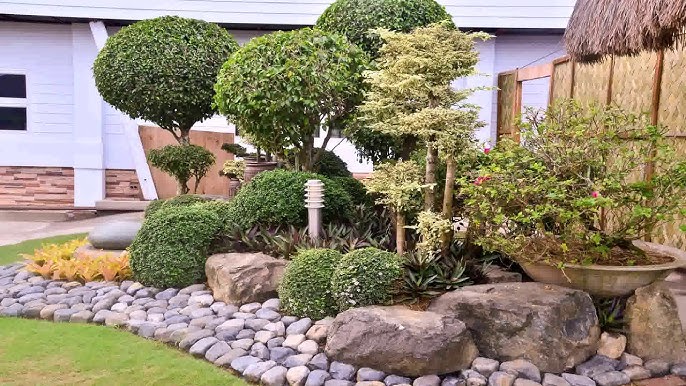
Creating a thriving outdoor space requires more than selecting visually appealing greenery. The success of any landscape depends on choosing the best plants for landscaping based on environmental conditions such as soil type and sunlight exposure. A well-planned approach ensures long-term plant health, reduces maintenance needs, and enhances the overall aesthetic appeal of your property.
Understanding how soil composition and sunlight affect plant growth allows homeowners and property managers to make informed decisions. Whether you are planning a garden, redesigning your yard, or working with a landscape design company, selecting suitable plants is essential for achieving sustainable results. This guide provides a structured plant selection guide to help you choose the right plants for your landscape.
Understanding Soil Types in Landscaping
Soil plays a vital role in determining which plants will thrive in your landscape. The best plants for landscaping depend heavily on soil characteristics such as texture, drainage, and nutrient content.
Types of soil and their impact on plants
Soil types include sandy, clay, loamy, and silty soils. Sandy soil drains quickly but may lack nutrients, while clay soil retains water but can restrict root growth. Loamy soil offers a balanced structure, making it ideal for most plants. Understanding these differences helps in selecting appropriate native plants and other suitable options.
Importance of Sunlight in Plant Selection
Sunlight is another critical factor that influences plant growth. The best plants for landscaping must match the light conditions available in your outdoor space.
How sunlight affects plant growth
Plants require different levels of sunlight, ranging from full sun to partial shade and full shade. Shade plants thrive in areas with limited sunlight, while sun-loving plants need direct exposure for several hours daily. Matching plant requirements with available sunlight ensures healthy growth and longevity.
Best Plants for Landscaping Based on Soil Conditions
Choosing plants according to soil type improves survival rates and reduces maintenance. The best plants for landscaping vary depending on how well they adapt to specific soil conditions.
Suitable plants for different soil types
For sandy soil, drought tolerant plants such as ornamental grasses and succulents perform well. Clay soil supports plants with strong root systems, while loamy soil accommodates a wide variety of native plants. Selecting the right plants ensures balanced growth and efficient use of resources.
Best Plants for Landscaping Based on Sunlight Exposure
Sunlight conditions directly affect plant health and growth patterns. The best plants for landscaping should be chosen based on the amount of light available in your yard.
Matching plants with sunlight levels
Full sun areas are ideal for flowering plants and shrubs, while partially shaded spaces benefit from adaptable species. Shade plants such as ferns and hostas thrive in low-light conditions. Understanding these categories helps create a balanced and visually appealing landscape.
Role of Native Plants in Sustainable Landscaping
Native plants are an essential component of environmentally friendly landscaping. The best plants for landscaping often include species that are naturally adapted to local conditions.
Benefits of using native plants
Native plants require less water, fertiliser, and maintenance compared to non-native species. They also support local ecosystems by providing habitats for wildlife. Incorporating native plants into your design enhances sustainability and reduces long-term costs.
Incorporating Drought Tolerant Plants
Water conservation is an important consideration in modern landscaping. The best plants for landscaping include drought tolerant plants that can survive with minimal irrigation.
Advantages of drought tolerant plants
Drought tolerant plants reduce water usage and are ideal for regions with limited rainfall. They are also resilient to extreme weather conditions, making them a practical choice for sustainable landscaping projects.
Creating Functional Outdoor Spaces
Landscaping is not only about plants but also about designing functional outdoor areas. The best plants for landscaping should complement structural elements such as patios and walkways.
Integrating plants with design elements
Combining greenery with patio and walkway design Carol Stream enhances both functionality and aesthetics. Thoughtful plant placement can soften hard surfaces, create visual interest, and improve overall usability of outdoor spaces.
Working with a Landscape Design Company
Professional expertise can make a significant difference in achieving successful landscaping outcomes. The best plants for landscaping are often selected with the help of experienced professionals.
Benefits of professional landscape design
A landscape design company provides expert guidance on plant selection, layout planning, and maintenance strategies. Working with professionals such as Wobrock’s Design and Landscape ensures that your project is tailored to your specific needs and environmental conditions.
For more information, explore:
- landscape design services
- home page resources
- contact us for consultation

Common Mistakes in Plant Selection
Choosing the wrong plants can lead to poor growth and increased maintenance. The best plants for landscaping should be selected carefully to avoid common errors.
Mistakes to avoid
- Ignoring soil conditions
- Overlooking sunlight requirements
- Choosing high-maintenance plants without planning
- Planting incompatible species together
- Failing to consider long-term growth
Avoiding these mistakes ensures a healthier and more sustainable landscape.
Importance of a Plant Selection Guide
A structured plant selection guide helps simplify the decision-making process. The best plants for landscaping can be identified more easily with proper planning and research.
How a guide improves decision making
A plant selection guide provides information on soil compatibility, sunlight needs, and maintenance requirements. It helps homeowners choose plants that align with their landscape goals and environmental conditions.
Enhancing Landscape Design with Proper Planning
Planning is essential for creating a cohesive and attractive outdoor space. The best plants for landscaping should be chosen as part of a comprehensive design strategy.
Steps for effective landscape planning
- Assess soil and sunlight conditions
- Choose suitable plants based on environmental factors
- Incorporate structural elements such as patios and walkways
- Plan for maintenance and growth
- Consult professionals if needed
Following these steps ensures a well-balanced and functional landscape.
Role of Wobrock’s Design and Landscape
Wobrock’s Design and Landscape plays a key role in helping homeowners achieve their landscaping goals. Their expertise in plant selection and design ensures successful outcomes.
Expertise in landscape solutions
With a focus on quality and sustainability, Wobrock’s Design and Landscape provides tailored solutions for various landscaping needs. Their approach combines practical knowledge with creative design to deliver effective results.
Conclusion
Selecting the best plants for landscaping requires careful consideration of soil type, sunlight exposure, and overall design goals. By understanding these factors, homeowners can create outdoor spaces that are both beautiful and sustainable.
Incorporating native plants, shade plants, and drought tolerant plants ensures long-term success while reducing maintenance requirements. Working with professionals like Wobrock’s Design and Landscape can further enhance the effectiveness of your landscaping project. For expert guidance and tailored solutions, it is recommended to contact us and explore the best options for your outdoor space.
Frequently Asked Questions
1. What are the best plants for landscaping?
The best plants for landscaping depend on soil type, sunlight conditions, and maintenance preferences. Native plants and drought tolerant plants are often good choices.
2. Why are native plants important?
Native plants are adapted to local conditions, require less maintenance, and support local ecosystems.
3. How do I choose plants for shaded areas?
Shade plants such as ferns and hostas are suitable for areas with limited sunlight.
4. What is a plant selection guide?
A plant selection guide helps identify suitable plants based on environmental conditions and design goals.
5. Should I hire a landscape design company?
Working with a landscape design company can provide expert advice and ensure successful landscaping outcomes.