
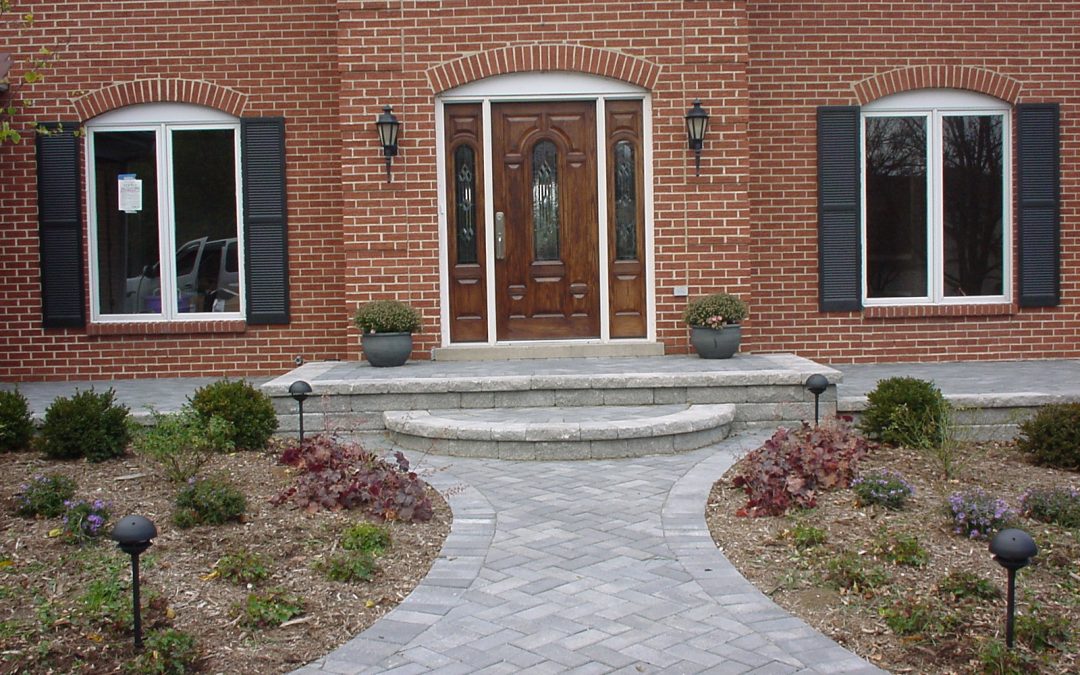
Creating a well-planned outdoor environment can significantly improve how a home looks and functions. A thoughtfully designed landscape provides visual appeal, outdoor comfort, and a place where homeowners can relax or entertain. Many homeowners today focus on improving their outdoor space through effective garden landscaping strategies that combine plants, walkways, patios, and structural features.
Designing a garden landscape is not simply about planting flowers. It involves understanding layout planning, plant selection, drainage, soil conditions, and how outdoor elements interact with each other. A well-designed landscape should balance aesthetics with functionality.
Professional landscape providers such as Wobrock’s Design & Landscape often guide homeowners through the planning process by evaluating site conditions and creating layouts that suit the property. From plant arrangements to structural elements like patios and walkways, every component contributes to a cohesive landscape plan.
This guide explains practical approaches to planning a beautiful landscape, explores common garden design ideas, and highlights how homeowners can design attractive and sustainable outdoor environments.
Understanding the Basics of Garden Landscaping
Before starting any outdoor project, homeowners should understand the fundamental elements of landscape planning. Successful landscapes combine natural and structural components while maintaining harmony across the space.
Garden landscaping focuses on arranging plants, pathways, patios, and lawn areas in a way that complements the architecture of the home and the natural features of the property.
Key Elements That Shape Landscape Design
A balanced landscape incorporates several important design components.
Common elements include:
- plant arrangements and flower beds
- walkways and patios
- lawn areas and ground cover
- lighting and irrigation systems
- retaining walls or garden borders
When these features are integrated properly, the result is a cohesive and functional outdoor environment.
Professionals at Wobrock’s Design & Landscape often begin projects by assessing soil, sunlight exposure, and drainage conditions before developing a detailed landscape plan.
Planning the Layout of Your Garden Landscape
Design planning is the first step in creating a visually appealing landscape. Without a clear layout, gardens may appear unstructured or overcrowded.
Developing thoughtful garden design ideas helps homeowners visualize how different landscape features will interact within the available space.
Steps to Plan an Effective Garden Layout
A structured planning process helps create a landscape that is both functional and attractive.
Key planning steps include:
- measuring the available outdoor space
- identifying areas for plants and hardscape features
- evaluating sunlight exposure across the yard
- planning irrigation and drainage routes
- considering future maintenance needs
Many homeowners work with professionals through services such as garden design ideas consultations to develop detailed landscape plans.
Wobrock’s Design & Landscape frequently assists homeowners in developing layouts that balance greenery with walkways, patios, and gathering spaces.
Choosing the Right Plants for Flower Bed Landscaping
Plants play a major role in shaping the appearance of a garden landscape. Flower beds create colour, texture, and seasonal interest throughout the yard.
Selecting Plants for Flower Beds
Flower bed landscaping requires selecting plants that thrive in the local climate and soil conditions.
Common plant considerations include:
- sunlight requirements
- seasonal blooming cycles
- plant height and spread
- colour combinations
- maintenance requirements
When properly arranged, flower beds can guide visual flow throughout the landscape.
Wobrock’s Design & Landscape often recommends mixing perennials, shrubs, and ornamental grasses to create layered planting arrangements that provide year round interest.
Benefits of Flower Bed Landscaping
Flower beds serve both aesthetic and functional roles in landscape design. They can define garden boundaries and add visual structure to open spaces.
How Flower Beds Improve Outdoor Spaces
Strategically placed flower beds enhance the visual appeal of the property.
Benefits include:
- adding color and texture to the yard
- creating natural borders around patios or walkways
- supporting pollinators and beneficial insects
- improving soil stability and drainage
- increasing overall property value
When integrated into a broader garden landscaping plan, flower beds can transform ordinary yards into visually appealing outdoor environments.
Incorporating Patio Designs with Pavers
Hardscape features such as patios create practical outdoor living spaces. Patios provide areas for dining, relaxation, and entertaining guests.
Why Paver Patios Are Popular
Pavers are widely used in landscaping because they are durable and visually versatile.
Patio designs with pavers offer several advantages:
- wide range of colors and textures
- strong durability against weather conditions
- easy repair if individual pavers become damaged
- customizable patterns and layouts
- improved drainage compared to solid concrete surfaces
Homeowners frequently integrate patio areas into their garden landscaping plans to create functional outdoor living spaces. Wobrock’s Design & Landscape often designs patio layouts that connect seamlessly with plant beds and walkways.

Comparing Landscape Design Approaches
Homeowners may choose different approaches when planning their landscape depending on their preferences and maintenance goals.
| Design Approach | Characteristics | Maintenance Level |
|---|---|---|
| Formal Landscape | Symmetrical layouts, defined borders, structured planting | Moderate |
| Natural Landscape | Organic shapes and native plants | Low |
| Contemporary Landscape | Minimalist design with clean lines and hardscape features | Moderate |
| Cottage Garden Style | Dense planting with colourful flowers | High |
| Functional Landscape | Focus on outdoor living spaces and walkways | Moderate |
Each design style can incorporate garden design ideas that match the homeowner’s aesthetic preferences and property layout.
Maintaining a Healthy Landscape
Proper maintenance ensures that a garden landscape continues to look healthy and attractive over time. Maintenance practices involve watering, pruning, soil care, and seasonal adjustments.
Key Maintenance Tasks
Routine maintenance helps preserve plant health and structural features.
Important tasks include:
- watering plants according to seasonal needs
- pruning shrubs and trees
- fertilizing soil periodically
- controlling weeds and pests
- maintaining lawns and ground cover
Many homeowners rely on professional garden landscaping maintenance services to manage these tasks efficiently.
Wobrock’s Design & Landscape provides ongoing maintenance support that helps homeowners preserve the appearance and health of their outdoor spaces.
Finding Landscape Contractors for Your Project
Large landscape projects often require specialized expertise. Professional landscape contractors can help implement complex designs and ensure proper installation of hardscape features.
What to Look for in Landscape Contractors
Homeowners searching for landscape contractors near me should evaluate several factors before choosing a contractor.
Important considerations include:
- experience with similar projects
- knowledge of plant selection and soil conditions
- ability to design and install hardscape features
- licensing and insurance coverage
- previous project portfolio
Wobrock’s Design & Landscape works with homeowners to create customized landscaping solutions tailored to each property’s requirements.
Designing Walkways and Garden Pathways
Pathways play a practical and visual role in landscape design. They guide movement through the garden while connecting different areas of the yard.
Materials Commonly Used for Pathways
Several materials can be used for walkway construction.
Popular options include:
- natural stone
- gravel pathways
- concrete pavers
- brick patterns
- decorative steppingstones
Pathways often complement patio designs with pavers, creating a consistent visual theme across the landscape.
Sustainability in Modern Garden Landscaping
Many homeowners today aim to create environmentally responsible landscapes. Sustainable landscaping practices help reduce water usage and support local ecosystems.
Sustainable Landscaping Practices
Environmentally friendly landscape design focuses on efficient resource use.
Common sustainability practices include:
- planting native or drought tolerant species
- installing efficient irrigation systems
- improving soil health through composting
- reducing chemical fertilizers
- incorporating rainwater management systems
These strategies help homeowners maintain attractive landscapes while minimizing environmental impact.
Conclusion
A well designed landscape can significantly enhance the beauty and functionality of a home. By combining thoughtful plant arrangements, attractive hardscape features, and proper maintenance practices, homeowners can create outdoor environments that are both visually appealing and practical.
Effective garden landscaping begins with careful planning. Understanding soil conditions, selecting suitable plants, and incorporating features such as patios and pathways are all essential steps in the design process. Flower bed landscaping adds color and structure, while patio designs with pavers provide functional outdoor living areas.
Professional landscape planning can simplify the process for homeowners undertaking larger projects. Experienced teams such as Wobrock’s Design & Landscape assist with planning, installation, and long-term maintenance of outdoor spaces.
Homeowners interested in improving their outdoor environments can contact landscape professionals to explore suitable garden landscaping solutions for their property.
Frequently Asked Questions
1. What is garden landscaping?
Garden landscaping involves designing and arranging outdoor spaces using plants, hardscape features, and lawn areas to create an attractive and functional environment around a home.
2. What are some common garden design ideas for residential properties?
Popular garden design ideas include flower bed landscaping, pathway systems, water features, patio seating areas, and layered plant arrangements.
3. Why are pavers used in patio construction?
Patio designs with pavers are popular because they are durable, customizable, and easier to repair compared to poured concrete surfaces.
4. How often should a garden landscape be maintained?
Landscapes typically require seasonal maintenance such as pruning, fertilizing, and lawn care to keep plants healthy and maintain visual appeal.
5. How can homeowners start a landscaping project?
Homeowners can begin by evaluating their outdoor space, developing design plans, and consulting experienced landscape professionals. For assistance with planning or installation, they can contact landscape experts to discuss their project requirements.